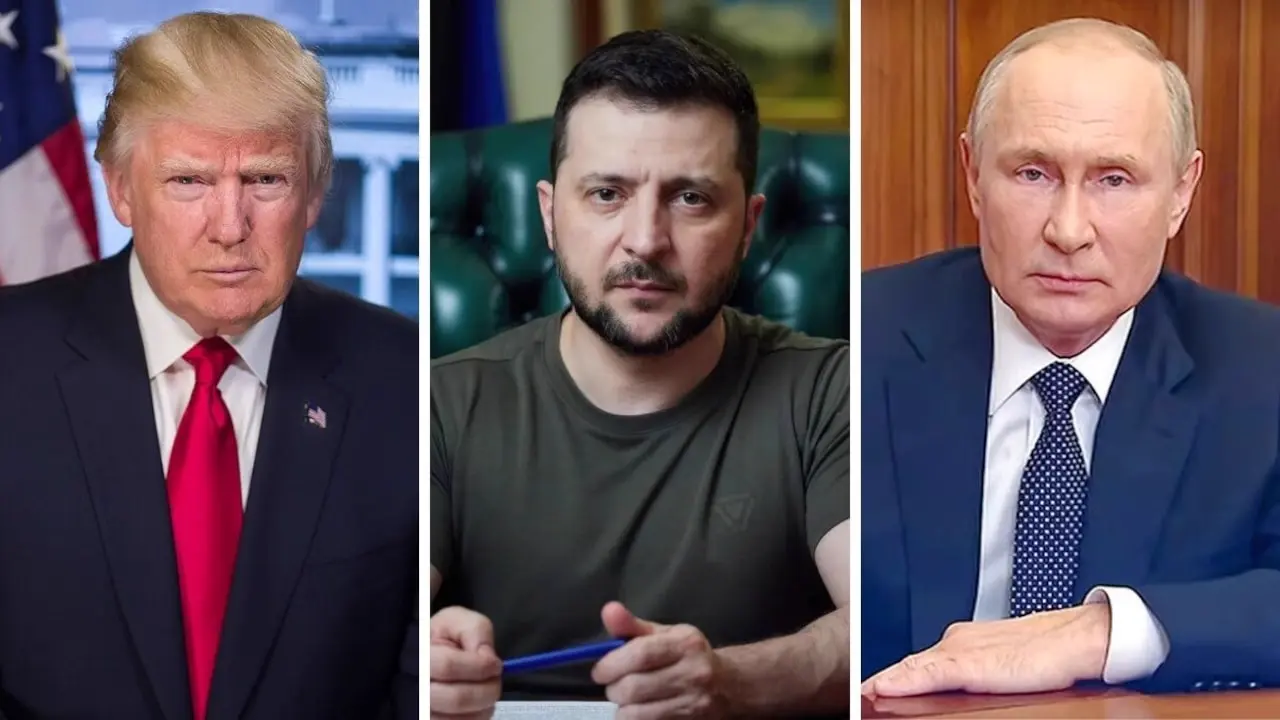
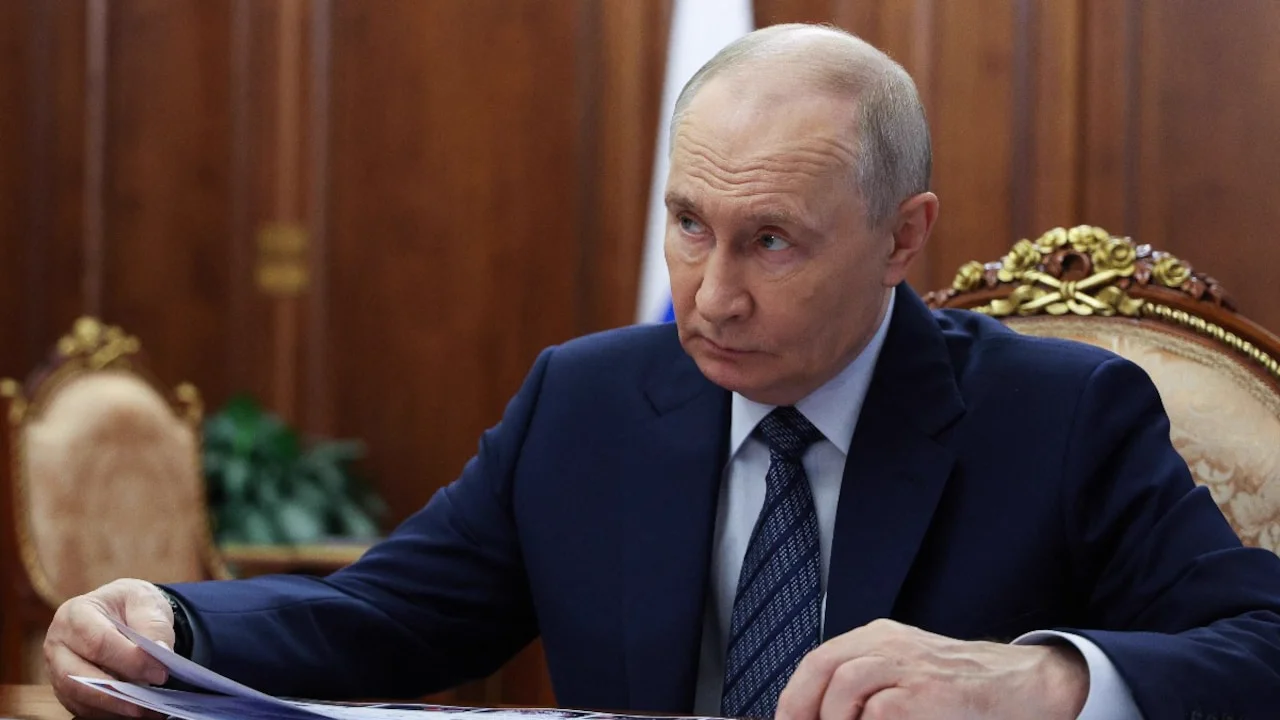
Russian President Vladimir Putin said the leaders of Norway and Finland had made it clear during their phone calls with him that they did not represent the European Union, as he voiced support for restoring ties with European countries.
Putin said Russia was prepared for a potential war with Europe but did not want one, warning that if things go too far, there will be no winners.
He also said Moscow did not want a situation similar to the one in the Strait of Hormuz to unfold in the Baltic Sea.
Putin's remarks come after Finnish President Alexander Stubb and Norwegian Prime Minister Jonas Gahr Store held a rare 90 minute telephone conversation with the Russian President on Tuesday, urging him to end the war in Ukraine and take part in meaningful negotiations for a stable and peaceful settlement, ahead of planned United States brokered talks between Russia and Ukraine in Abu Dhabi early next month.
The outreach marked a departure from the longstanding reluctance among Western European leaders to engage directly with Putin, and also came as Brussels prepared for possible face-to-face discussions between European and Russian officials.
Danish Prime Minister Mette Frederiksen criticised the Nordic initiative and said it had not been coordinated.
What the Nordic leaders told Putin
Stubb described the exchange as candid and substantial, said Finland and Norway shared borders with Russia and that the outcome of the war would directly affect their security as well as that of Europe, and direct dialogue was necessary to bring the conflict to an end.
Store highlighted the immense human and material cost of the war, saying its suffering and destruction would affect generations, and said the two leaders had emphasised the need for de-escalation during their conversation with Putin.
Finland and Norway are among Ukraine's biggest providers of military assistance, and Stubb and Store informed Putin that this support would continue without interruption.
The leaders also discussed security in the Baltic Sea region and the High North.
According to the Kremlin, Putin told the Nordic leaders that a fair and lasting peace could be achieved only if what he described as Russia's legitimate interests were considered fully and unconditionally, indicating Moscow continued to press broad demands.
Abu Dhabi talks and the coordination row
Stubb and Store initiated the call and later spoke with Ukrainian President Volodymyr Zelenskyy, who said the two leaders had conveyed to Putin that concrete de-escalatory measures were required concerning Ukraine's energy facilities and infrastructure, thanked them for their active diplomatic backing, and said Russia must stop prolonging the conflict.
The conversation was presented as a follow-up to the latest round of peace discussions in Oslo, jointly organised by Stubb and Store, attended by senior representatives from Ukraine, the US, the UK, Germany, Italy, the European Commission and NATO.
Russia did not participate in the Oslo discussions, but US special envoy Steve Witkoff later travelled to St Petersburg to brief Putin about their outcome.
Another round of negotiations is expected in Abu Dhabi early next month, in a proposed format similar to Oslo, but with a Russian delegation expected to participate.
Brussels has said it is prepared for European and Russian officials to meet across the table, an arrangement not previously in place during these negotiations, and the European Commission and the European Council are working to form a joint team that would present the European Union's position, with both institutions believed to have received advance notice of the Stubb-Store conversation with Putin.
The Finnish and Norwegian leaders stressed they were not acting as special representatives for Europe, an issue that has divided European countries for more than a year, and Frederiksen's swift criticism reflected an uncommon disagreement among Nordic leaders.
The call reopened direct contact between the Nordic leaders and Moscow as diplomatic preparations continued for the Abu Dhabi talks, with Stubb and Store pressing Putin to de-escalate and negotiate while reaffirming continued military support for Ukraine, even as questions remained within Europe over coordination of such engagement.