
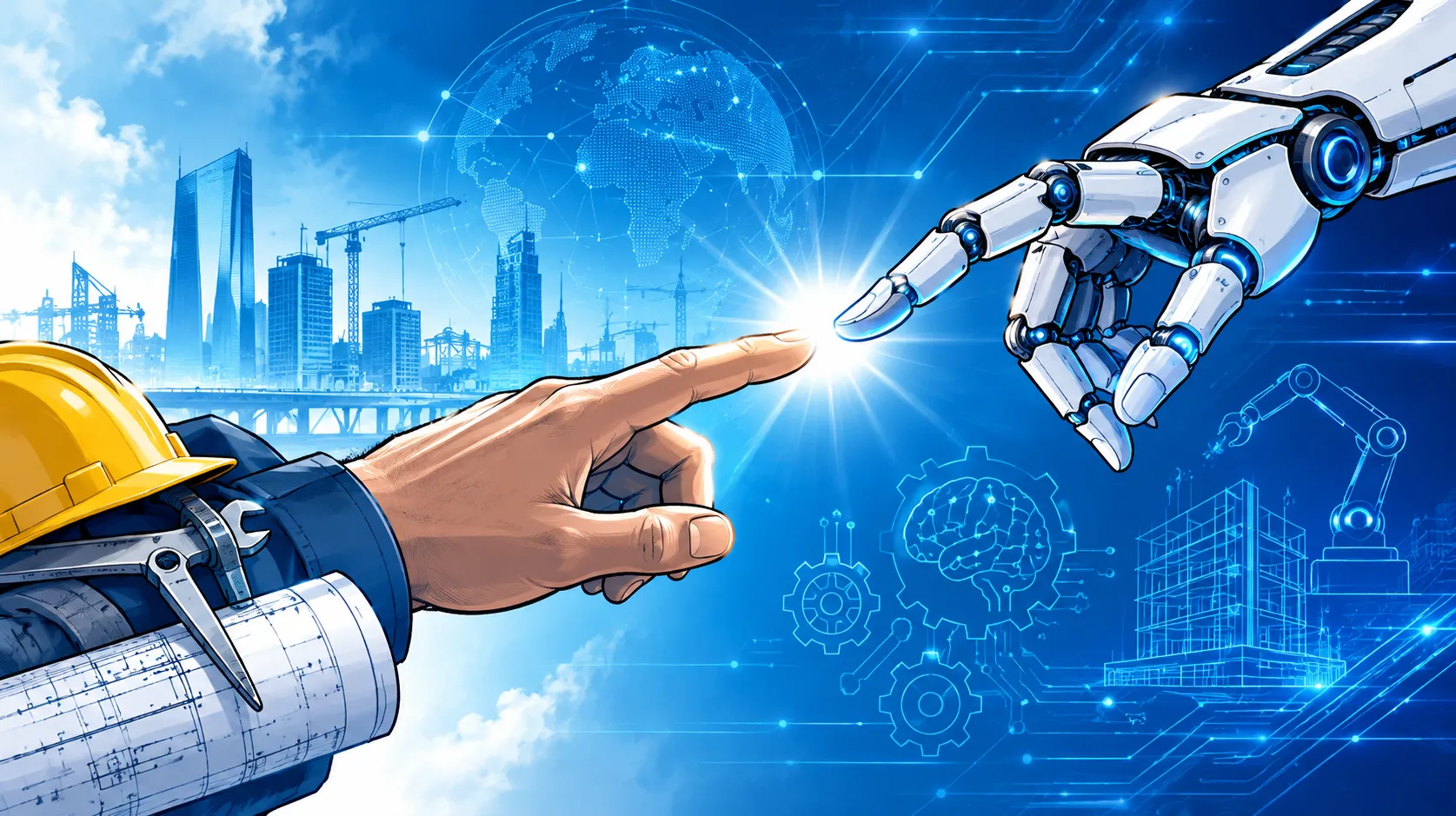
Software engineers are asking a blunt question as AI tools improve: will their skills still matter? The honest answer is that the job is changing shape, not disappearing. For the next couple of decades, AI will remain limited by physics, shaky reasoning, unreliable output and the sheer complexity of the real world, and those limits leave plenty of room for engineers who understand what they are doing.
Knowledge becomes the bandwidth for directing AI
AI generates code quickly, but someone still has to decide what should be built, check whether it is correct, and fit the pieces together into a working system. The most valuable skill may therefore become knowledge itself. An engineer who understands operating systems, networking, databases, hardware, security or distributed systems can push AI much further than someone who only knows how to ask for code. Your technical understanding becomes the channel through which you direct the machine, and a shallow understanding produces shallow results.
Programming itself will change
Development is likely to change at a fundamental level. We may need new programming languages, browsers, operating systems, developer tools and infrastructure built specifically for AI agents. Instead of writing every line by hand, engineers will increasingly describe systems, review what the AI produced, test it, and steer it toward the right architecture. That does not make traditional programming knowledge useless. In fact, fundamentals may grow more valuable, because understanding everything from assembly and CPU architecture to distributed systems and high-level design gives engineers a map of how computers actually work. AI can travel that map faster, but humans still need to know the destination.
The shift will spread beyond software
The same transformation will eventually reach other fields. Engineers who master AI-assisted automation may help automate work in finance, manufacturing, healthcare, law, cybersecurity and other industries. That means your biggest competition may not be AI itself. It may be another engineer who uses AI better than you. The role shifts from writing code toward technical leadership: defining problems, designing systems, controlling agents, validating results, weighing trade-offs and making computers accomplish useful things.
Interviews, hiring and learning will follow
That shift changes what employers test. Instead of checking only whether a candidate can produce code by hand, companies may increasingly care about system design, debugging, fundamentals, architecture, reasoning and the ability to work well with AI. That is why learning fundamentals still makes sense, especially computer architecture, operating systems, networking, programming languages, databases, distributed systems, cybersecurity and hardware. AI is not necessarily the end of engineering. It may be the tool that lets engineers build things that were previously impossible. The future is not humans versus AI. It is humans who understand technology using AI against humans who do not.